What California’s “Health Care Provider” Recognition REALLY Means for Massage Therapists
- Advanced Neuromuscular Therapy Program
- Associates of Applied Science Degree Program
- Core Massage Therapy Training Program
- Massage Therapy
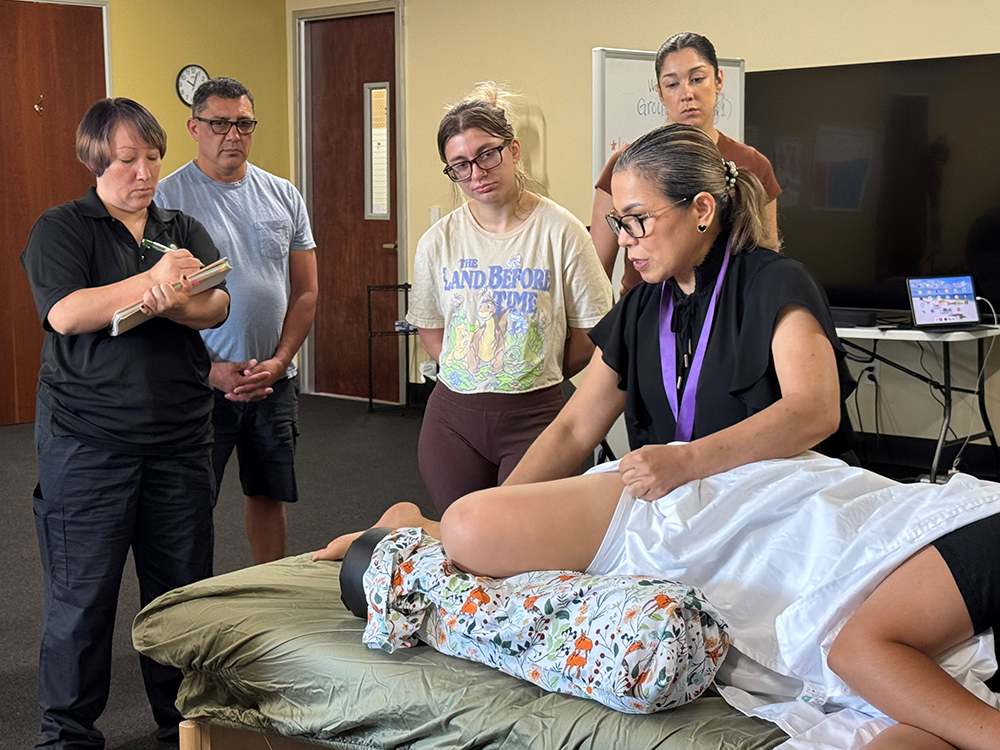
ANMT Instructor Gracia Rodriguez Demonstrates Neuromuscular Therapy Techniques to Students at NHI San Jose
Content Summary
- Defining the Legal Shift: As of January 1, 2026, California state law officially recognizes CAMTC-certified professionals as health care providers. This is a “legislative intent” shift that moves massage therapy from a “personal service” to a recognized “health care service” for state and local regulation.
- The CAMTC Requirement: This designation is strictly reserved for those with active California Massage Therapy Council (CAMTC) certification. It provides therapists with vital legal leverage when dealing with city zoning, business licensing, and landlord negotiations, positioning massage alongside clinical fields like chiropractic and physical therapy.
- Educational Integration: The post highlights how NHI’s Core, Advanced Neuromuscular Therapy (ANMT), and Associates Degree programs align with this new professional status. By providing over 800 hours of training and clinical reasoning, NHI prepares graduates to meet the higher expectations of the integrated healthcare landscape.
Recently, many massage therapists in California have heard some version of this sentence: “Massage therapists are now considered health care workers.”
That statement is partly true, partly misunderstood, and very important—especially if you’re opening or operating a private practice. Let’s slow this down and explain what actually changed, what didn’t, and why this matters for the future of our profession.
The Big Picture: What Changed?
California recently updated the Massage Therapy Act, the law that governs massage therapy at the state level. In that update, the Legislature added language stating its intent that:
Certified massage professionals be recognized as health care providers in how massage therapy is regulated at the state and local level.
It is important to note that this recognition is specifically tied to CAMTC certification. California Legislature uses CAMTC certification as the benchmark for professional standards. If you are a certified massage professional through the California Massage Therapy Council, this language applies to you. If you are practicing solely under a local city permit without CAMTC credentials, you do not fall under this new “health care provider” legislative intent.
What “Legislative Intent” Means
Massage Therapists are recognized as Health Care Providers under California Massage Law
This part is critical. The law does not say massage therapists are now licensed medical providers. Instead, it serves as “guidance” for how the law should be interpreted by other agencies. When cities or regulators ask, “Is massage therapy a personal service or a health care service?” the Legislature has now officially answered: It is a health care service.
Why This Matters for Private Practice Owners
If you own or plan to open a neuromuscular therapy or clinical massage practice, this change affects you in several practical ways:
- Zoning and Business Classification: Historically, massage has been grouped with salons or even “vice-control” rules. This new language strengthens your position that your office is a health care practice, comparable to a chiropractic or physical therapy clinic.
- Professional Credibility: For graduates of NHI’s Advanced Neuromuscular Therapy Program, you now have a statute to point to when building referral relationships with physicians and sports medicine clinics.
- Reduced Stigma: This raises the standard for how massage practices are viewed by local regulators, focusing on clinical care rather than suspicion.
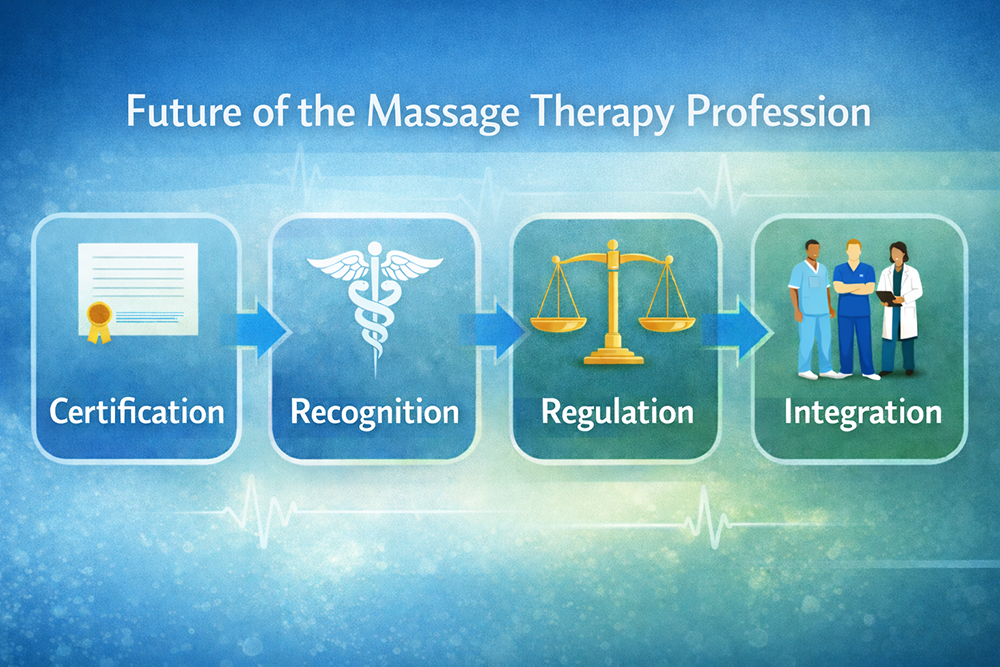
Future of the Massage Therapy Profession
How NHI Can Help Start Your Journey Toward Becoming a Health Care Provider
NHI’s Core Massage Therapy Program graduates build a strong foundation. By completing 800 hours of education, they exceed the basic entry-level thresholds seen in many parts of the country. As California increasingly frames massage therapy within healthcare regulation, this level of preparation becomes more valuable.
For grads who complete the Advanced Neuromuscular Therapy (ANMT) Program, the healthcare conversation becomes even more relevant. ANMT graduates receiving focused training in assessment, chronic pain management, sports injury recovery, and collaboration with health care providers. California’s recognition of massage professionals as healthcare providers reinforces what neuromuscular therapists have long embodied: Massage therapy is not only relaxation; it is clinical care. This recognition reinforces the clinical value of the assessment and injury recovery protocols taught in our ANMT program.
Furthermore, those who complete NHI’s Associates of Applied Science Degree Program gain an additional level of professional development and critical thinking. Because health integration demands higher educational standards, professional credibility, and leadership readiness in clinical environments, the academic preparation the AAS program provides strengthens the massage therapist’s seat at the healthcare table
The Bottom Line
If you are a CAMTC-certified massage therapist, you are now legislatively recognized as part of the health-care landscape. You didn’t suddenly become a medical doctor, but you did gain legal recognition that your work belongs in health care, not on the margins. It is a major step forward for the profession.
View more posts about Massage Therapy.
Get the details on how to pursue a career in massage therapy with National Holistic Institute. Complete this form to connect with an admissions representative today.